Source All Season Steering Wheel Cover for Auto, OEM, and Retail
Explore 30 options for the all season steering wheel cover, featuring materials like PVC, PU, and leather. Compare customization, packaging, and origin details from suppliers in Zhejiang and Guangdong to find the right fit for your needs; compare the available evidence and request quotations based on your requirements.
Key considerations
Products List


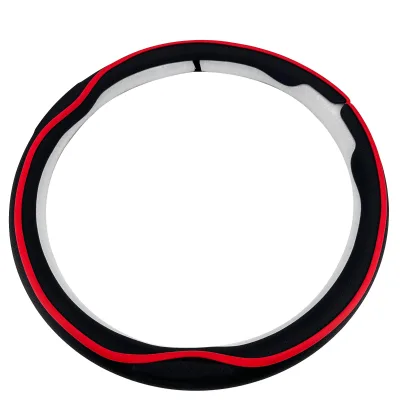


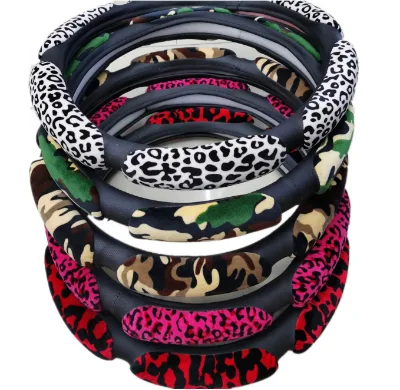


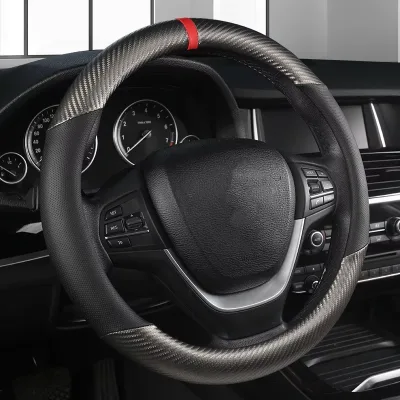
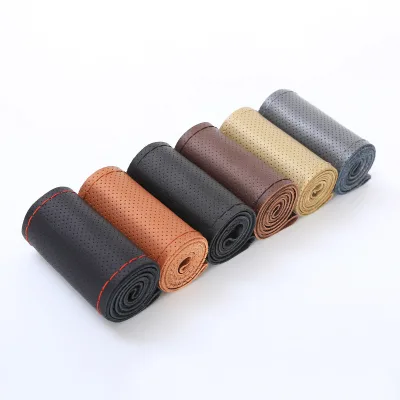
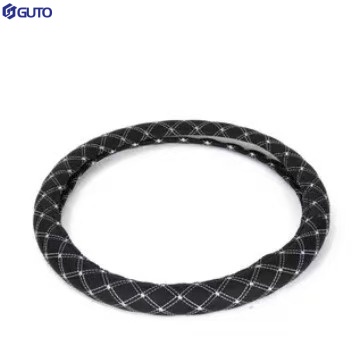
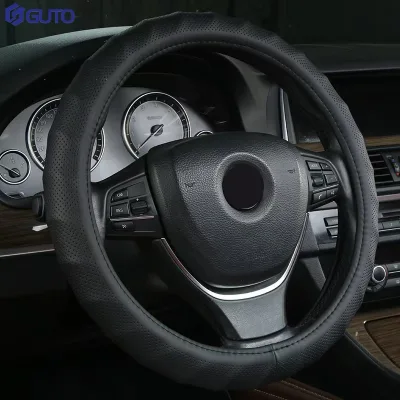

Comprehensive Sourcing Guide
All Season Steering Wheel Cover Sourcing Guide
Buyers must first distinguish between universal fitment and vehicle-specific designs, as the observed listings include models compatible with Audi, BMW Brilliance, and Aachen Schnitzer, while others are labeled as universal. This distinction dictates the initial procurement strategy, requiring precise verification of the vehicle make and model before selecting a supplier. The presence of specific fitment data alongside generic "All-match" labels indicates a fragmented market where a single SKU may not serve all inventory needs.
Procurement teams should also evaluate the material composition, which ranges from genuine leather to PVC and PU options, to align with brand positioning and durability expectations. The observed data confirms that customization is available for logos and colors, allowing buyers to tailor products for specific seasonal campaigns or corporate branding. However, the variation in materials necessitates a clear definition of the target market's tolerance for synthetic versus natural textures before placing any bulk orders.
Product Scope and Observed Listing Signals
The market offers a diverse range of steering wheel covers, including sport designs, diamond-embossed variants, and simple anti-skid models suitable for spring and autumn use. Listings indicate that some products feature specific physical attributes like a 430mm diameter or four spokes, which are critical for ensuring a proper fit on the intended vehicle. Buyers must carefully cross-reference these physical dimensions with their vehicle specifications to avoid returns caused by incompatibility.
Packaging and logistics signals vary significantly, with some items listed in OPP packs while others are shipped in cartons with specific gross weights and single package sizes. The observed lead times and packing details, such as a 40-day production window for certain models, suggest that supply chain planning must account for potential delays in custom manufacturing. Understanding these logistical constraints is essential for maintaining inventory levels and meeting customer delivery expectations without overstocking.
Technical Specifications to Verify
Verification of the product model number is the first step in ensuring technical accuracy, as the data shows multiple distinct identifiers like 105067, 105108, and LWCSWC-100-1. Each model number corresponds to specific design features, such as installation methods that are either sew-free or hand-sewn, which directly impacts the installation time and required skill level for the end user. Buyers should request detailed technical sheets for each model to confirm the exact installation mechanism and structural integrity.
Dimensional consistency is another critical technical parameter, with observed specifications including diameters of 430mm and sizes labeled as M. These measurements must be validated against the steering wheel of the target vehicle to ensure a snug fit that does not compromise safety or driver comfort. Additionally, the color options, ranging from red and black to wine red and mocha brown, should be verified for colorfastness and consistency across different production batches to maintain brand quality standards.
Compliance and Safety Documentation
Safety compliance is paramount for automotive accessories, yet the observed data lists a standard described as "Unverisal" or "custom size," which requires immediate clarification from the supplier. Buyers must demand specific documentation proving that the materials used, whether leather, PVC, or PU, meet relevant automotive safety standards for flammability and toxicity. Without explicit certification data, there is a risk that the products may not comply with regulations in the destination market, potentially leading to legal liabilities.
Documentation regarding the origin of the goods is also necessary, as the listings indicate production in Zhejiang and Guangdong, China. Buyers should verify that the manufacturing facilities adhere to international labor and environmental standards, especially when sourcing from regions with varying regulatory enforcement. Requesting proof of origin and compliance with local automotive safety regulations ensures that the supply chain is transparent and that the products are safe for consumer use.
Cost Drivers and Commercial Terms
The observed minimum order quantities (MOQ) vary widely, ranging from 200 pieces to 10,000 pieces, which significantly influences the unit cost and cash flow requirements for buyers. Lower MOQs allow for testing new designs with reduced financial risk, while higher volumes typically secure better pricing but require larger capital commitments. Procurement strategies must balance these thresholds with forecasted demand to optimize inventory turnover and minimize holding costs.
Pricing is further influenced by the level of customization, such as OEM logo acceptance and specific color requests, which often incur additional setup fees. The supply type is noted as "Make-to-Order," indicating that lead times and costs may fluctuate based on the complexity of the design and the current production schedule. Buyers should negotiate clear terms regarding price adjustments for custom orders and establish a timeline for production to avoid unexpected delays that could disrupt their sales cycle.
Supplier Qualification and Quality Control
Supplier qualification should focus on their ability to handle custom orders and their track record with specific materials like genuine leather and PU. The availability of customization services suggests that suppliers have flexible production lines, but buyers must verify their quality control processes to ensure consistency in stitching, material thickness, and color matching. A robust QC protocol is essential to prevent defects that could lead to high return rates and damage to the buyer's brand reputation.
Quality control checks should also include physical testing of the steering wheel covers for durability and grip, especially given the "anti-skid" claims found in some product descriptions. Buyers should request sample batches for rigorous testing before committing to large orders, ensuring that the products meet the expected performance standards for all-season use. Establishing a clear communication channel for quality feedback helps maintain high standards throughout the production lifecycle.
Long-Term Procurement Checks
Long-term procurement success depends on maintaining a stable relationship with suppliers who can consistently deliver on time and meet quality expectations. The observed production origins in Zhejiang and Guangdong suggest a concentration of manufacturing capabilities, but buyers should diversify their supplier base to mitigate risks associated with regional disruptions or capacity constraints. Building a network of reliable partners ensures continuity of supply and flexibility in responding to market changes.
Regular audits and performance reviews are necessary to monitor supplier adherence to agreed-upon standards and commercial terms. Buyers should track key performance indicators such as lead time reliability, defect rates, and responsiveness to customization requests to identify areas for improvement. Continuous evaluation of the supply chain helps in making informed decisions about future sourcing strategies and ensures that the procurement process remains efficient and cost-effective over the long term.
FAQs
What materials are used for all season steering wheel covers?
The available materials include PVC, PU, and genuine leather options. Some products feature mixed materials like leather and PVC for durability. These materials are selected to provide comfort and grip suitable for various weather conditions. Buyers can choose based on their preference for texture and maintenance requirements.
Can I customize the logo on the steering wheel cover?
Yes, OEM logo customization is available for most products. Buyers can request specific branding to be applied to the steering wheel covers. This service allows for personalized marketing or corporate identity integration. Please confirm the design details with the supplier to ensure accurate placement and quality.
What is the typical MOQ for ordering steering wheel covers?
The MOQ varies by product, ranging from 200 pieces to 10,000 pieces. Some items have a lower minimum order quantity of 200 PC, while others require 1,000 PC. This flexibility allows buyers to start with smaller test orders or scale up for larger distributions based on their inventory needs.
Which car brands are compatible with these steering wheel covers?
Specific models are designed for Audi, BMW Brilliance, and AC Schnitzer vehicles. Other universal fits are available for general use. Buyers should check the product specifications for exact fitment details. Ensuring compatibility with the target vehicle model is essential for proper installation and safety.
How are the steering wheel covers packaged for shipping?
Products are typically packaged in OPP packs or cartons. The packaging is designed to protect the item during transit. Some items have specific single package dimensions and weights listed. This ensures safe delivery and helps in calculating shipping costs accurately for international orders.
What is the lead time for production and delivery?
Production lead times can be around 40 days for certain models. This duration allows for manufacturing and quality control processes. Buyers should plan their inventory accordingly to avoid stockouts. Confirming the exact lead time with the supplier is recommended for accurate scheduling.